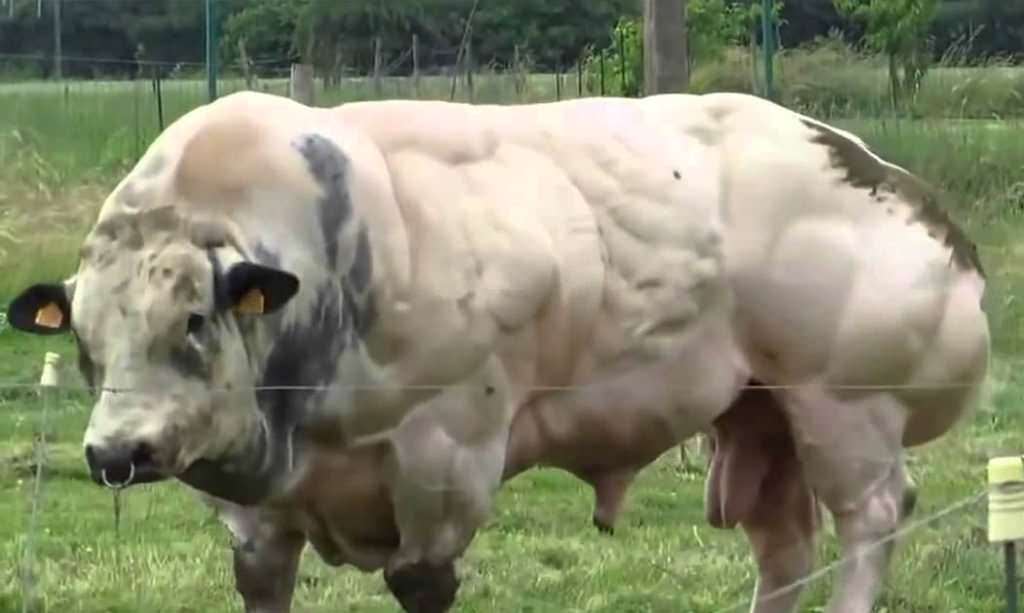
The belgian blue bull is the result of 50 years of selective breeding in Belgium. The goal was to create a breed that produces a lot of milk and meat – something that has succeeded.
However, the animals have unfortunately been afflicted with health problems and have suffered from how they’ve been bred.
Created in the 19th century
Different species of animals have been selectively bred for thousands of years.
Man has greatly changed most pets, leaving nearly no trace of their wild ancestors.
”Belgian cattle” was created in the 19th century by crossing blackbrown Dutch and red-haired short-haired cattle. As a result of the crossing, the bulls became blue-haired.
It’s also sometimes called the Race de la Moyenne et Haute Belgique or dikbil —which literally means “fat buttocks” in Dutch.
The carnivores are, according to many, one of the most frightening examples of what can happen when man meddles with nature.
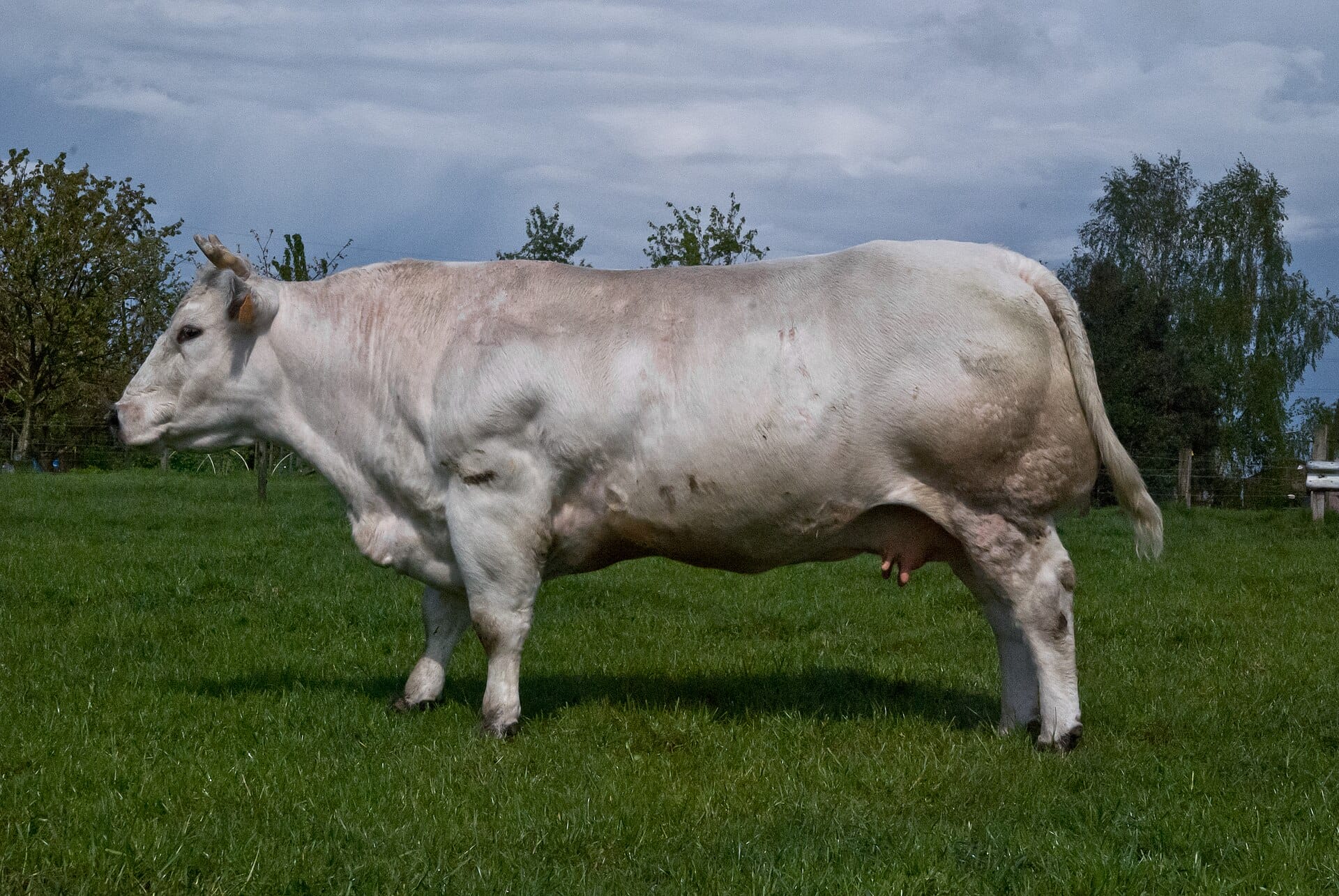
The breed is criticized for being ”wandering meat plants.” It has abnormally huge muscles – a grown bull often weighs between 1.1 and 1.2 tonnes. In the animal’s body, a protein has been created that inhibits muscle growth, which allows the muscles of the animals to grow much larger than usual.
It has been reported that the genetic mutation produces a number of other effects such as deformed jaws and enlarged tongues that make it difficult for the calves to suckle.
The mutation can also have underdeveloped internal organs – the liver and lungs are significantly smaller than in common cattle – which can lead to breathing difficulties, heart problems and infertility.
Cows with double-muscling often have trouble giving birth, a condition called dystocia, even when bred to regular beef or dairy bulls. This is because their birth canal is narrower, and their calves are usually heavier and wider than normal. As a result, many calves are delivered by Caesarean section, and a cow can typically handle about five or six of these surgeries in her lifetime.
For bulls, double-muscling can reduce testicle size as well as the amount and quality of their semen, likely due to extra connective tissue in the testes.
However, this is generally a smaller concern compared to the serious birthing difficulties faced by the cows.
What do you think of this extreme selective breeding? Watch the video below and share your views with us on Facebook.